
Jätteet Ohita
A waste skip is a large, robust container designed to simplify the collection, transport, and disposal of various types of waste—from household clutter to construction debris. These containers are a staple in modern waste management systems, offering a convenient alternative to multiple trips to landfills or recycling centers. Typically constructed from heavy-gauge steel, skips are built to withstand the weight of bulky, heavy items like bricks, concrete, wood, and old appliances. They come in a range of sizes to suit diverse needs: small skips (2–4 cubic yards) are ideal for residential projects such as spring cleaning, garden clearances, or minor bathroom renovations; medium skips (6–8 cubic yards) work well for kitchen remodels or office clearouts; and large skips (10+ cubic yards) are reserved for industrial sites, demolition projects, or major construction work. Many skips feature open tops for easy loading, while some include lids to prevent wind-blown debris, rainwater accumulation, or unauthorized access. The process of using a skip is straightforward. A customer selects the appropriate size based on their waste volume, then the skip is delivered to their desired location—whether a driveway, construction site, or public street (often requiring a local council permit for on-street placement). Once filled (without exceeding the container’s capacity, which poses safety risks during transport), the skip is collected by a waste management vehicle and taken to a facility where contents are sorted. Recyclable materials like metal, wood, and plastic are separated for processing, while non-recyclable waste is disposed of responsibly. Key considerations include avoiding prohibited items: hazardous materials such as batteries, asbestos, chemicals, and medical waste are strictly forbidden, as they require specialized disposal to protect human health and the environment. Choosing the right size is also critical—too small means extra costs for additional skips, while too large wastes resources. Beyond convenience, skips play a vital role in sustainable waste management. By consolidating waste into one container, they reduce the number of transport trips, cutting carbon emissions. The sorting process at facilities ensures a significant portion of waste is recycled, minimizing landfill contributions. For example, a family remodeling their kitchen might use a medium skip to dispose of old cabinets, tiles, and appliances; the metal parts are recycled, wood is chipped for mulch, and non-recyclables are sent to a controlled landfill. In summary, waste skips are an indispensable tool for keeping spaces clean and organized. Their durability, versatility, and contribution to environmental sustainability make them a cornerstone of responsible waste handling—whether for a small home project or a large-scale industrial job.
tuote
Luokittelu:
Kevyt teräsastiat/astiat
-
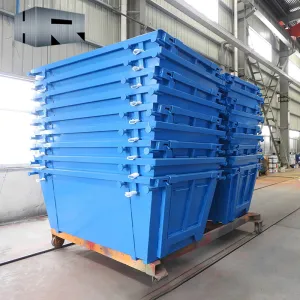
Avaa ylhäältä pinottavat jäteastiat ovella
kategoria: Ohita roskakorit/säiliötNäkymät: 18772sarjanumero:julkaisuaika: 2022-07-03 18:57:36Kestävät, avoimet pinottavat, ovella varustetut jäteastiat teollisuus-, rakennus- ja kierrätysjätteisiin. Helppo lastaus, tilaa säästävä pinoaminen ja mukautettavat vaihtoehdot. Kaikenlaisia ohituslaatikoita, portaaliastioita voidaan räätälöidä -
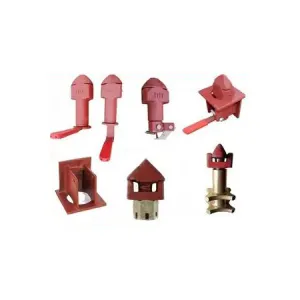
Twistlock intermodaalisen ISO-standardin mukaisen kuljetuskontin liittämiseen ja kiinnittämiseen
kategoria: Kuljetuskontin osatNäkymät: 7821sarjanumero:julkaisuaika: 2023-09-21 16:39:31Twistlock intermodaalisen ISO-standardin mukaisen kuljetuskonttivalmistajan yhdistämiseen ja kiinnittämiseen
uutiset
Luokittelu:
-
[Industry News]Skip-laitejärjestelmä on pitkälle automatisoitu ja käyttäjäy...
2022-09-13 00:36:45 -
[Industry News]Jätteiden ohitus parantaa maaseudun sanitaatiota
2022-09-25 23:31:45 -
[Industry News]Mitkä ovat pakattujen ohitusastioiden ominaisuudet?
2022-10-11 18:59:24 -
[Industry News]Mitä varotoimia kotikonttien käytössä on?
2022-10-24 18:34:20 -
[Industry News]Entä esivalmistettujen talokonttien seisminen suorituskyky?
2022-10-27 18:44:55 -
[Industry News]Mitkä ovat itsepurkuvien suppilojen suorituskykyominaisuudet...
2022-11-08 19:28:19 -
[Industry News]Mikä on terässäiliön rakenne ja prosessi?
2022-11-15 16:59:52 -
[Industry News]Kuinka voimme käyttää House Containeria paremmin ja mielenra...
2022-11-24 16:44:17 -
[Industry News]Kuinka ostaa erityyppisiä jäteastioita eri ympäristöissä?
2023-01-10 16:40:17 -
[Industry News]Mitkä ovat Skip Binsin väriluokitukset?
2023-02-09 23:25:09 -
[Industry News]Mitä hyötyä on elävän talokontin valinnasta?
2023-02-14 16:02:27 -
[Industry News]Kuinka valita vähähiilinen jäteastia?
2023-02-22 16:41:11
tapaus
Luokittelu:
video
Luokittelu:

ladata
Luokittelu:
Ei vielä hakutuloksia!
rekrytointi
Luokittelu:
Ei vielä hakutuloksia!
Suositellut tuotteet
-
NEWS
Avaa ylhäältä pinottavat jäteastiat ovella
oppia lisää



 Puhelin